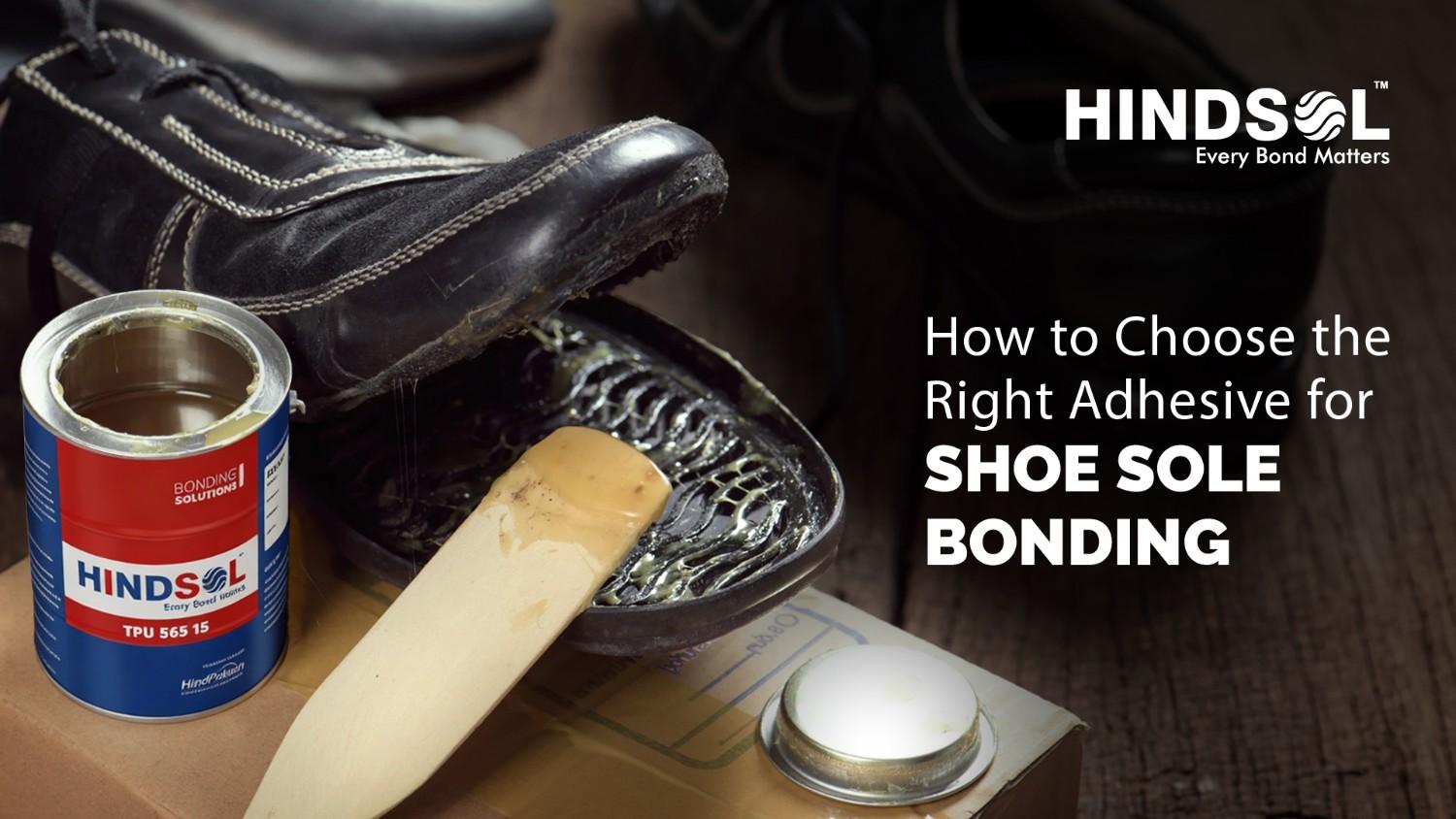
How to Choose the Right Adhesive for Shoe Sole Bonding
Choosing the right adhesive for shoe sole bonding is essential for ensuring strong adhesion, flexibility, durability, and long-term footwear performance. The ideal footwear adhesive should be compatible with materials such as leather, rubber, EVA, PU, and synthetic components while maintaining reliable bond strength under regular wear and environmental conditions.
The performance of a shoe depends on much more than its design or materials. One of the most critical factors is the strength of the bond between the upper and the sole. Whether manufacturing sports shoes, safety footwear, sandals, or fashion footwear, selecting the right adhesive directly impacts durability, comfort, and customer satisfaction.
As footwear materials continue to evolve, manufacturers often ask how to choose adhesive for shoe sole bonding and which adhesive is best for shoe sole bonding. The answer depends on the materials being bonded, production requirements, and expected product performance.
Why Adhesive Selection Matters in Footwear Manufacturing
The footwear industry works with a wide range of materials, including leather, EVA, PU, PVC, rubber, rexine, and synthetic fabrics. Each material has unique bonding characteristics and requires a compatible adhesive system.
A high-quality shoe sole bonding adhesive helps manufacturers achieve:
- Strong and durable bonds
- Better resistance to flexing and wear
- Improved water and heat resistance
- Reduced product failures
- Consistent production quality
Choosing the wrong adhesive can result in sole separation, poor durability, and costly product returns.
What Adhesive Is Used for Shoe Manufacturing?
The most commonly used adhesive technologies in footwear manufacturing are synthetic rubber adhesives and polyurethane adhesives.
Polyurethane Adhesives for High-Performance Bonding:
Polyurethane adhesives are preferred when manufacturers require superior bond strength, flexibility, and resistance to heat and mechanical stress.
Hindsol offers specialised PU solutions such as:
These polyurethane-based systems are suitable for bonding materials such as leather, PVC, EVA, rubber, and rexine, making them ideal for premium footwear and demanding manufacturing applications.
Synthetic Rubber Adhesives for Versatile Footwear Production:
Synthetic rubber adhesives remain a preferred choice for many footwear manufacturers because of their strong initial tack, ease of application, and production efficiency.
Popular Hindsol footwear adhesive solutions include:
- HINDSOL SR 2325 FW
- HINDSOL SR 1909 FTF
- HINDSOL SRN 7900
These formulations are designed to provide reliable bonding across multiple footwear materials while supporting efficient manufacturing processes.
What Factors Should Manufacturers Check Before Selecting Shoe Sole Adhesive?
Material Compatibility:
The first consideration is the type of sole and upper materials being bonded.
Different combinations such as:
- EVA to EVA
- EVA to leather
- Rubber to leather
- PU to synthetic materials
- PVC to fabric
may require different adhesive systems or surface preparation methods.
Bond Strength Requirements:
Footwear is subjected to continuous bending, stretching, and impact during use. Manufacturers should select adhesives that maintain bond integrity throughout the product's lifecycle.
Production Speed:
In high-volume manufacturing environments, adhesive performance affects productivity.
Key considerations include:
- Tack retention time
- Drying speed
- Coverage
- Ease of application
- Production throughput
Resistance to Environmental Conditions:
Footwear must withstand moisture, temperature fluctuations, and repeated movement. Adhesives should provide long-term performance under these conditions.
Which Adhesive Works Best for PU, EVA, and TPR Soles?
The best adhesive depends on the sole material and application requirements.
For PU Soles:
Polyurethane adhesives such as HINDSOL TPU 565 15, TPU 565 12 PLUS, and TPU 2432 provide excellent bond strength, flexibility, and durability for PU-based footwear applications.
For EVA Soles:
EVA footwear requires adhesives with strong tack and reliable bonding performance. HINDSOL SRN 7900 is specifically designed for EVA-to-EVA bonding and slipper manufacturing, offering excellent tack strength and good water resistance.
For Multi-Material Footwear Construction:
Where footwear combines leather, PVC, rubber, fabric, and synthetic materials, HINDSOL SR 2325 FW and SR 1909 FTF offer dependable bonding performance across diverse substrates.
Why Manufacturers Choose Hindsol Adhesive for Shoe Sole Bonding
As a trusted footwear bonding adhesive India provider, Hindsol develops specialised adhesive systems designed to meet the evolving needs of footwear manufacturers. Backed by the chemical expertise of the HindPrakash Group, Hindsol offers solutions that combine strong bonding performance, manufacturing efficiency, and product reliability.
Manufacturers choose Hindsol Adhesive for Shoe Sole Bonding because of:
- Wide compatibility with footwear materials
- High bond strength and flexibility
- Reliable performance in demanding conditions
- Solutions for both manual and automated production
- Application-specific adhesive technologies
As a leading shoe sole adhesive manufacturer India, shoe adhesive supplier India, and industrial shoe bonding adhesive supplier, Hindsol helps footwear brands achieve consistent quality and long-lasting product performance.
FAQs
Q: Why is choosing the right adhesive important for shoe sole bonding?
A: The correct adhesive ensures strong and durable attachment between the sole and upper, improving footwear lifespan, comfort, and customer satisfaction.
Q: What factors should manufacturers check before selecting shoe sole adhesive?
A: Manufacturers should evaluate material compatibility, bond strength, drying time, application method, environmental resistance, and production requirements.
Q: Which adhesive works best for PU, EVA, and TPR soles?
Different sole materials require different adhesive technologies. PU soles are typically bonded using polyurethane adhesives, EVA soles often require specialised EVA-compatible adhesives, and TPR soles may need high-performance synthetic rubber adhesive systems. Selecting the right adhesive depends on material compatibility, flexibility requirements, and long-term bonding performance.
Q: How does adhesive quality affect footwear durability?
A: High-quality adhesives maintain bond strength under repeated flexing, moisture exposure, and daily wear, helping prevent sole separation and extending product life.
Q: Why do footwear manufacturers choose Hindsol Adhesives?
A: Hindsol offers specialised footwear bonding solutions, technical expertise, and application-focused adhesive systems that support both manufacturing efficiency and long-term product performance.
Q: What factors affect shoe sole bonding strength?
Bond strength is influenced by adhesive selection, surface preparation, curing conditions, material compatibility, and application techniques.
